Reacting to a recent event on the study of religion, conflict and peace
Watching Scientific Progress in Action
read more
Reacting to a recent event on the study of religion, conflict and peace

I wrote a chapter for a newly published edited volume, Teaching Political Science and International Relations for Early Career Instructors. The volume itself, capably edited by Michael P.A. Murphy...
A lot of ink has been spilled and bytes spent on the reflections over Trump's failed assassination this past weekend. I won't pretend I know better, although as a regular academic that's kind of my...
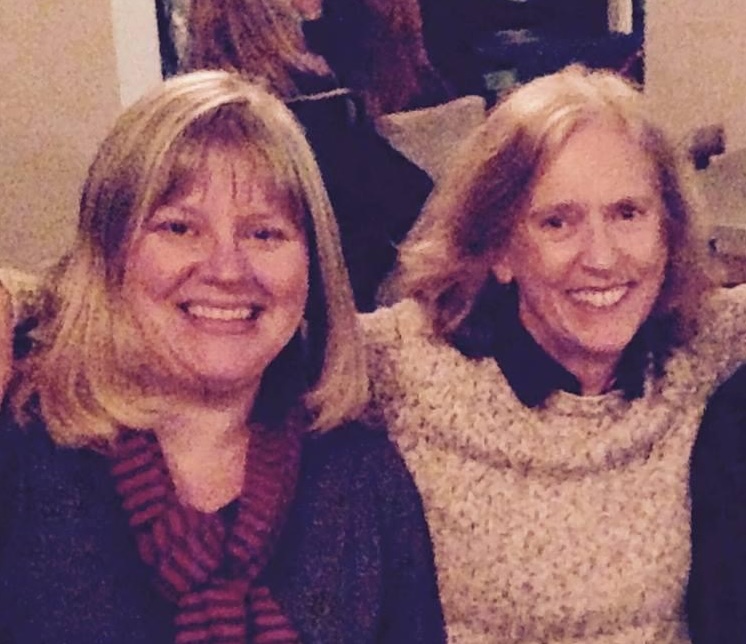
This is the fifth in our series of remembrances on the late Susan Sell. There was a terrific gathering at ISA 2024 where friends and colleagues gathered to remember Susan's wit, her contributions to...

A distinctly unoriginal take on the pathologies of overvaluing academic “novelty.”
When I first started teaching intro to IR, I closed the semester with lectures on climate change and the second Congo war (or "Africa's world war"). This was part of my effort to include current and overlooked aspects of international relations. As time went on, and discussions spread about how IR should deal with racial and environmental issues, I expanded these lectures. The former now looks at whether IR is up to the task of addressing current crises like climate change. And the latter looks at whether ethnocentrism in IR can be fixed. This is connected to my general approach to IR, which...

Jarrod is joined by Daniela Lai (Royal Holloway) and Adam to talk about the role of big questions in IR scholarship and teaching. The trio engage recent tweets by Bear Braumoeller and Tom Nichols (the latter of which Peter also addresses in a post) as they discuss the place of big questions in teaching and research. https://duckofminerva.podbean.com/e/does-ir-ask-big-questions/

Looking for some podcast episodes to give a listen to? I’ve got suggestions.
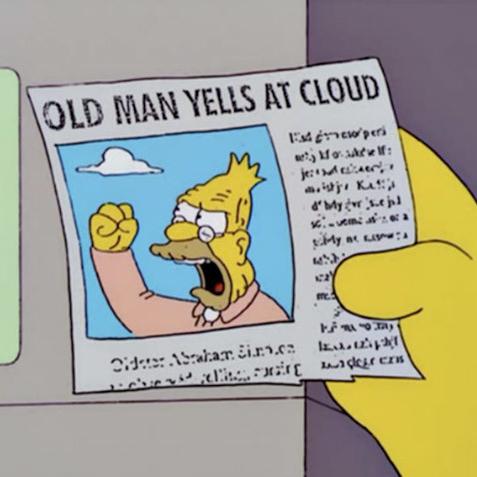
Earlier this week, professional opinion-haver Tom Nichols posted a "short" Twitter thread complaining that the push to make IR a social science, combined with the dominance of realism, is leading to bad takes on Ukraine. Despite my mindfulness-inspired efforts to ignore annoyances on social media, I felt compelled to respond (with the above picture). I was tempted to leave it at that, but this sort of argument appears every five years or so, usually by someone who is far from connected to current trends in IR. So, as I attempted with Dying to Win, I decided to write a post we could resurrect...

I think a lot of people are kidding themselves about what grand strategy is—it’s worldmaking. It’s an attempt to put the power of the state in service of grand political purpose. States big and small can have grand strategies because states big and small have elites who use state power to serve their visions. When you think of grand strategy this way, most of what passes for grand strategic categories and policy prescriptions are exposed as morbidly violent, exploitative, and even reactionary. But wait, what is this concept of worldmaking? What about the “national interest?” What about...
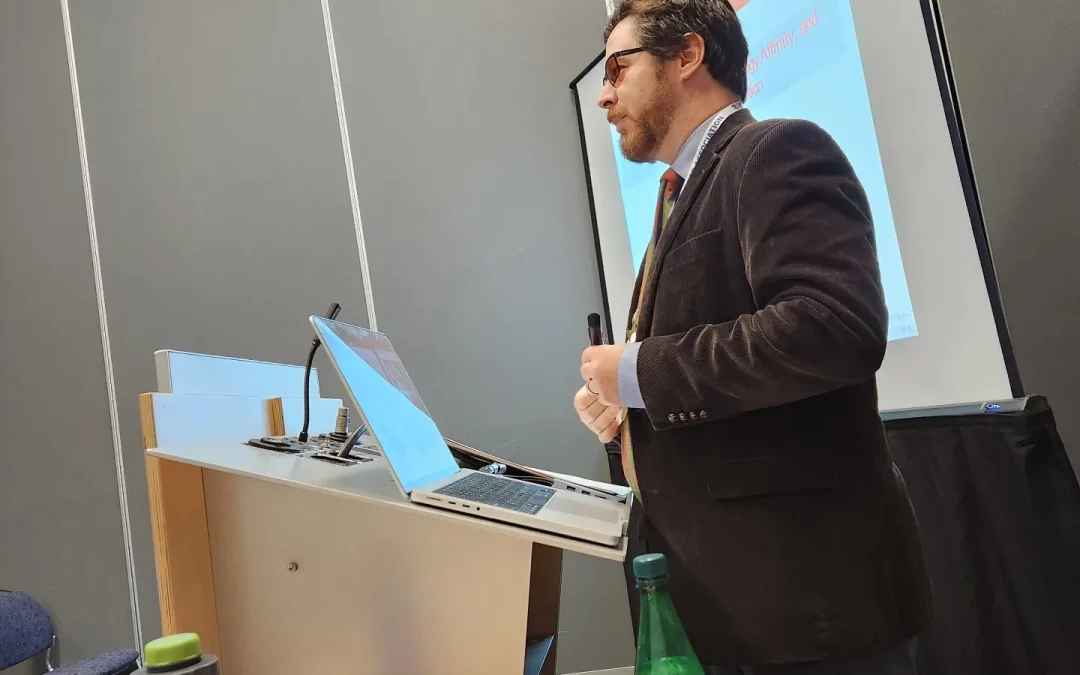
Like many, I've finally gotten back on schedule after the American Political Science Association conference last week. The travel was easier for me than most others; the site, Montreal, is only two miles from home so I didn't have to deal with any airline mishaps. But I still, as always, wonder if the trip was worth it. Even though it's covered by my research budget, do I get enough out of these conferences to justify the time away from my family and all the coursework I have to catch up on? How would I even know? Shifting views of conference success I had unreasonable expectations for my...
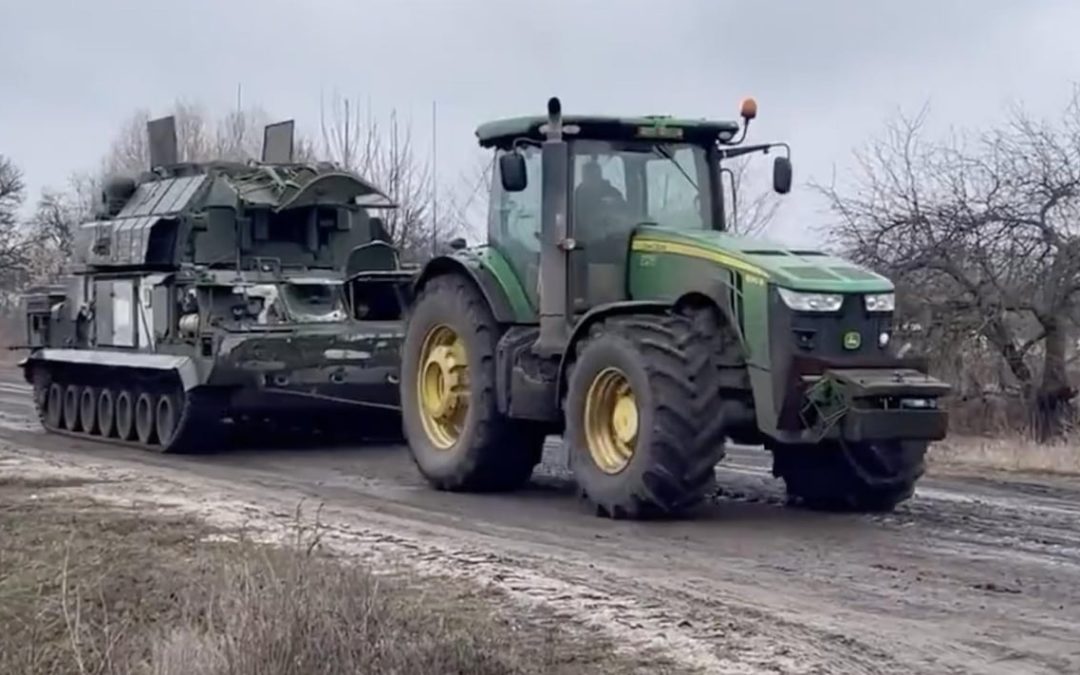
It’s no surprise that current events regularly lead us to update our syllabi. That doesn’t mean we can’t make “surprise” an important feature of our courses.