We’re baaack!In the inaugural episode of the second season of Whiskey and International Relations…
Episode 1: Gates of the West
read more
We’re baaack!In the inaugural episode of the second season of Whiskey and International Relations…
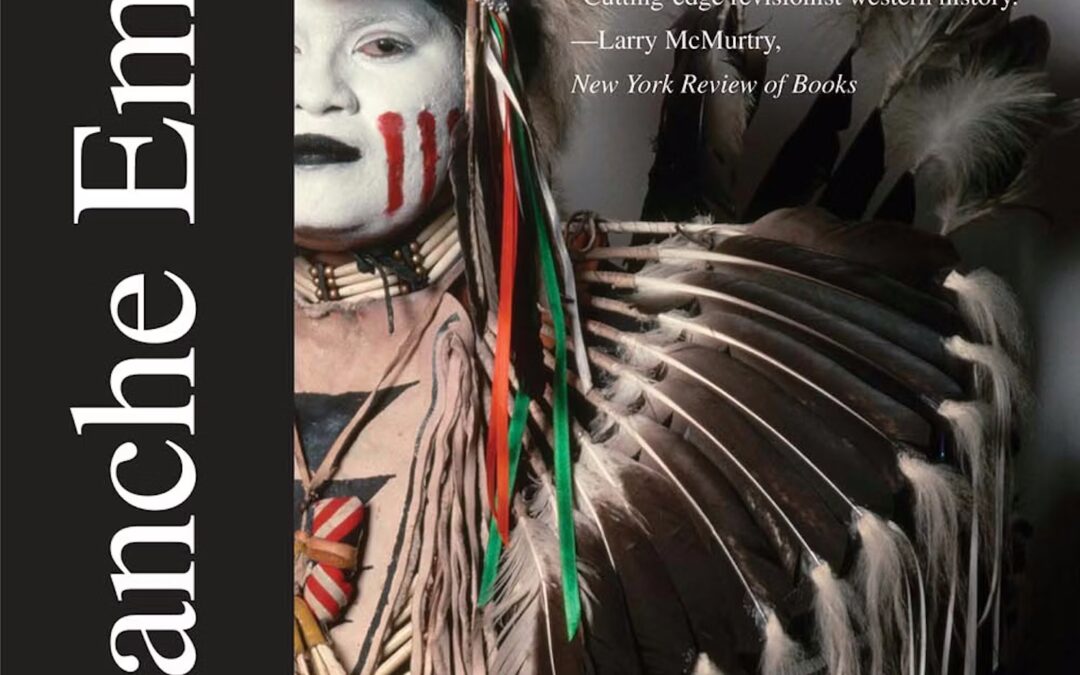
I have a new open-access article out in Global Studies Quarterly, “What’s at Stake in the Indigenous Empire Debate,” in which I argue against historian Pekka Hämäläinen’s claims that the Comanche...
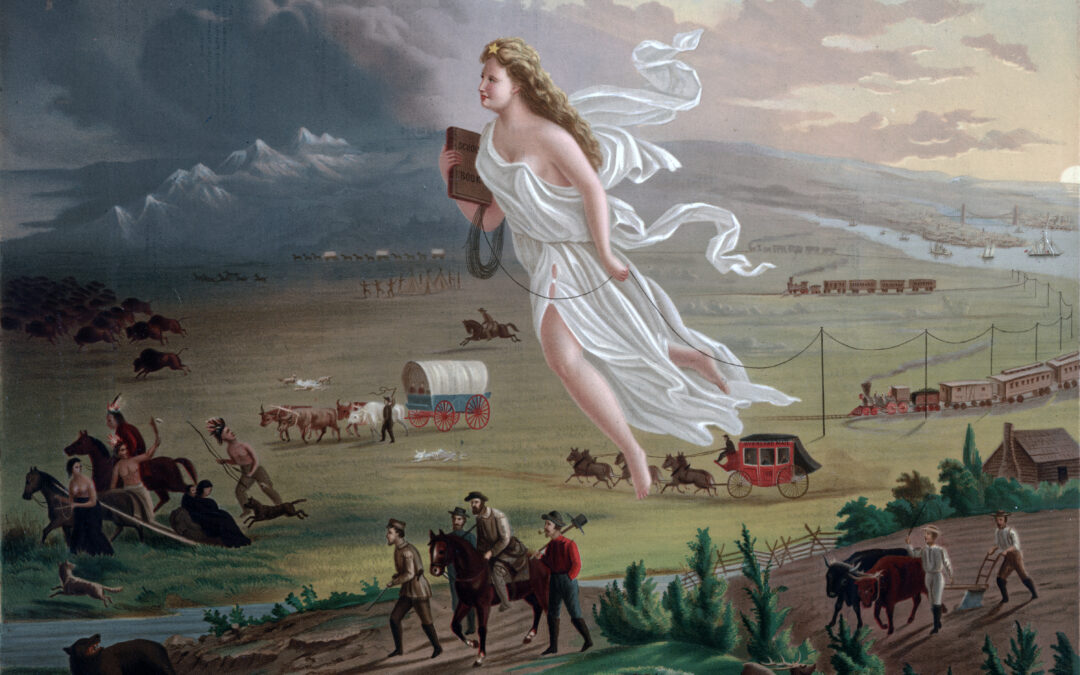
The Council on Foreign Relations (CFR) recently published results of a survey of historians on the best and worst foreign policy decisions in U.S. history. There are few surprises—wars in Vietnam...
The Hayseed Scholar podcast has come to a close. In this farewell episode, Brent's brother Kyle hosts it and they chat about the podcast and why Brent is closing it down. Two friends of the...
Professor Jason Ralph joins the Hayseed Scholar podcast. Brent has known Jason's work for two decades, but only fairly recently met him in person. Jason grew up in the village of Norton Canes in South Staffordshire near the West Midlands of England. His father had worked in the coal mines years prior, but then started a business where all of Jason's family would eventually work. The original plan was to get a teaching degree focused in physical education, but that didn't quite work out. Jason's intellectual turn happened in a number of locations - working back at his father's business...
Associate Provost and W. Harold Row Professor of Global Politics Jamie Frueh, of Bridgewater College, joins the Hayseed Scholar podcast. Jamie and Brent have been friends for over 15 years, meeting at the ISA-Northeast conference in 2009. Jamie is also the only (other) person on this podcast besides Brent who is from Iowa; Jamie also hosts his own podcast, The Teaching Curve. Jamie talks about growing up in Des Moines, with parents who both encouraged his curiosities and educational journey. Jamie was on his high school's debate team, which enabled him to travel throughout Midwest a bit. He...
A lot of ink has been spilled and bytes spent on the reflections over Trump's failed assassination this past weekend. I won't pretend I know better, although as a regular academic that's kind of my job and an occupational hazard. But as soon as my co-author texted me about the events in Butler, PA, I responded that a carnival usually ends with the execution of the mock-king. Once more details started to come in, especially about the identity of the shooter, it made even more "sense" (if any sense can be found in an act of violence). Let me explain. 6 years ago, I posted on the Duck...
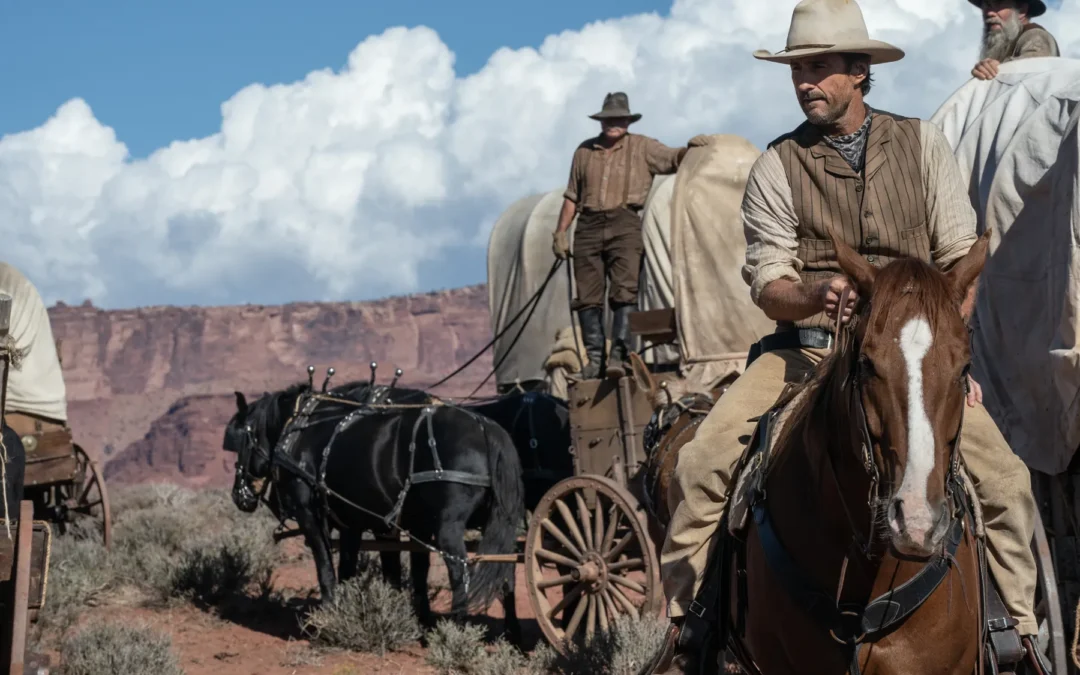
In the recent Settling for Less: Why States Colonize and Why They Stop, Lachlan McNamee makes a rationalist argument—“colonization projects” are “characterized by a triangle of actors—settlers, indigenes, and the central state,” and for his purposes, we can “assume that all settler migration is voluntary and economically driven”. McNamee is not the only one with such a reading of colonial politics. Director, co-writer, and star Kevin Costner takes a similar view of the nineteenth-century American frontier in his recent film, Horizon: An American Saga - Chapter One. (Hereafter, Horizon....
Professor Sebastian Kaempf of the University of Queensland joins the Hayseed Scholar podcast this week. Seb grew up in Germany, with the fall of the Berlin Wall happening when he was entering his teenage years. While it had a big impact on him, he distinctly remembers his parents’ emotional reactions to that moment. He also was a conscientious objector and thus did not serve in the German military but his service was in some ways even more challenging as he notes here. Seb talks about going to uni in Germany before transferring to the LSE for his Bachelor’s and Masters, heading towards...
Professor Lene Hansen of the University of Copenhagen likely needs no introduction to most listeners of this podcast. She has worked within what would be called the Copenhagen school or securitization theory, emphasizing within that school the overlooked lens of gender. Her work on discourse analysis is famous for being a key contribution to the development of especially interpretive methods in the 2000s and 2010s, and her more recent work in visual IR and visual/image analysis. She talks about growing up on an island, Langeland or Long Island, off the coast of Denmark, riding horses and...
Huss Banai of Indiana University is an individual Brent considers himself incredibly fortunate to call a friend. He joins the Hayseed Scholar podcast to tell his amazing story and journey through life and academia. Huss was born in Iran and grew up in Northern Tehran until his family moved to Canada when he was 15. In Iran, Huss and his family experienced the war with Iraq, the fallout from the Soviet invasion of Afghanistan (his father worked with Afghan refugees during that time), and with a dad who worked for a business promoting Japanese Exports, electronics and video games. The...
Dr. Erica Simone Almeida Resende of the Brazilian War College joins the Hayseed Scholar podcast. Erica grew up in Brazil but, as she phrases it, 'in between worlds'. There was her Brazilian home, and there was her German school, which she explains has situated her as a sort of 'bridge' moving between the Global North and Global South. Erica went to law school and worked for a law firm in the 1990s, but changed gears and pursued graduate degrees in Political Science and International Relations. In this period of her life, she started attending ISA meetings which she 'loved' going to. She...