Reacting to a recent event on the study of religion, conflict and peace

Watching Scientific Progress in Action
read more
Reacting to a recent event on the study of religion, conflict and peace
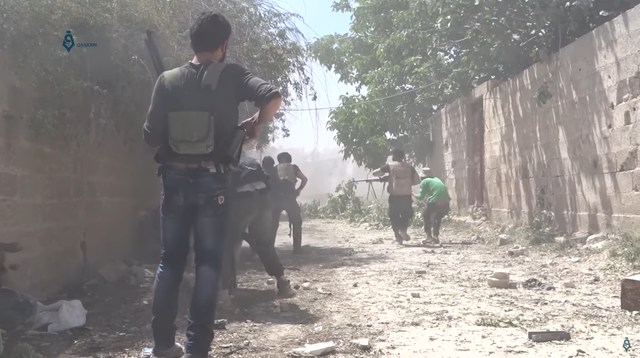
Like many who follow the Middle East, a lot has been going through my head since the civil war there suddenly reignited and Bashar al-Assad's regime even more suddenly fell. Will the victims of his...
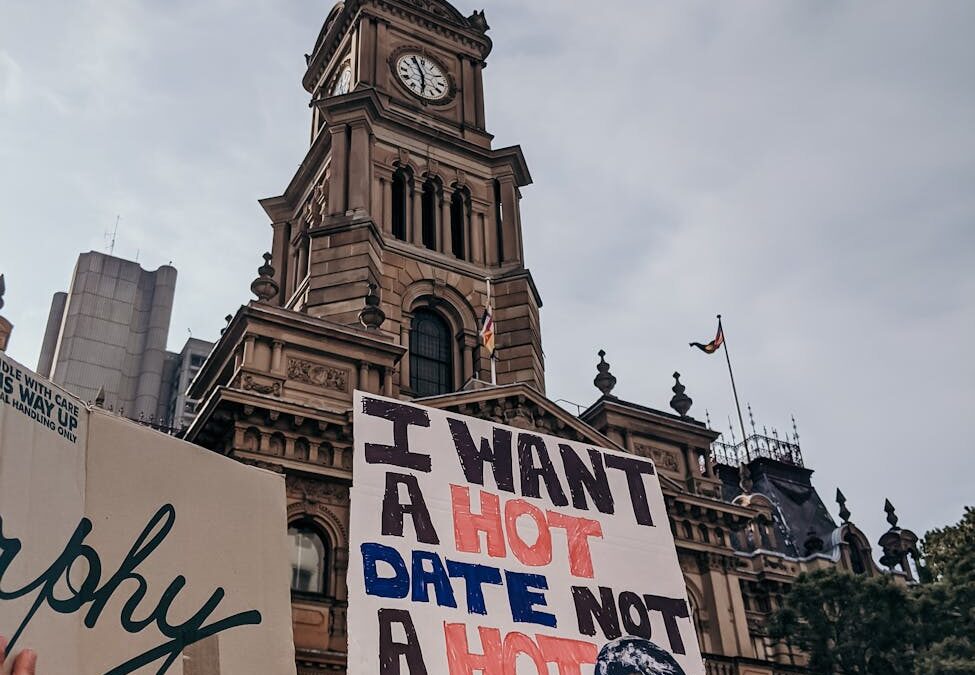
Under the Paris Agreement, states submit Nationally Determined Contributions (NDCs) outlining their commitments to reducing emissions. These documents are important window in the international politicization of climate change policy.

We’re living in a world where policymakers are playing Russian roulette with our lives and calling it “stability.” We need to think differently about nukes and the risks of war. Specifically, we...
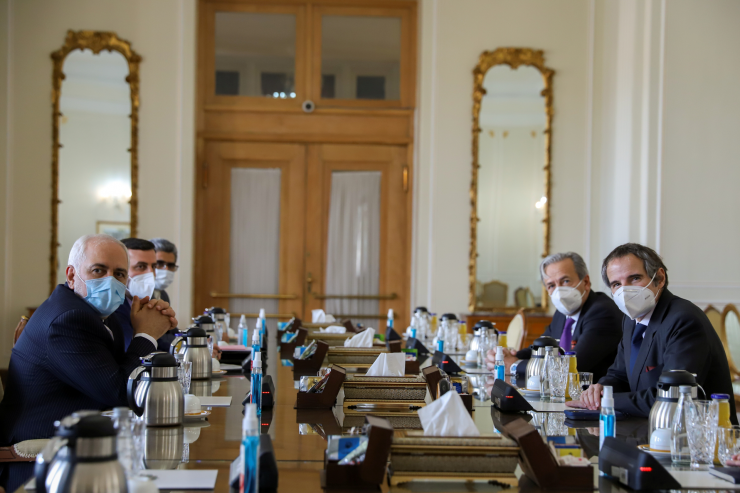
Middle East scholars recently released the results of the new Middle East Scholar Barometer. What does it tell us about Middle East Studies itself? Does it suggest the field is rich and progressing, or in need of an intellectual shakeup?

Business meetings are part of the “hidden curriculum,” academia’s unwritten set of rules They’re also important to attend, especially for those scholars most likely to be unfamiliar with those rules. This post explains why – and what more senior scholars can do to get junior ones involved.
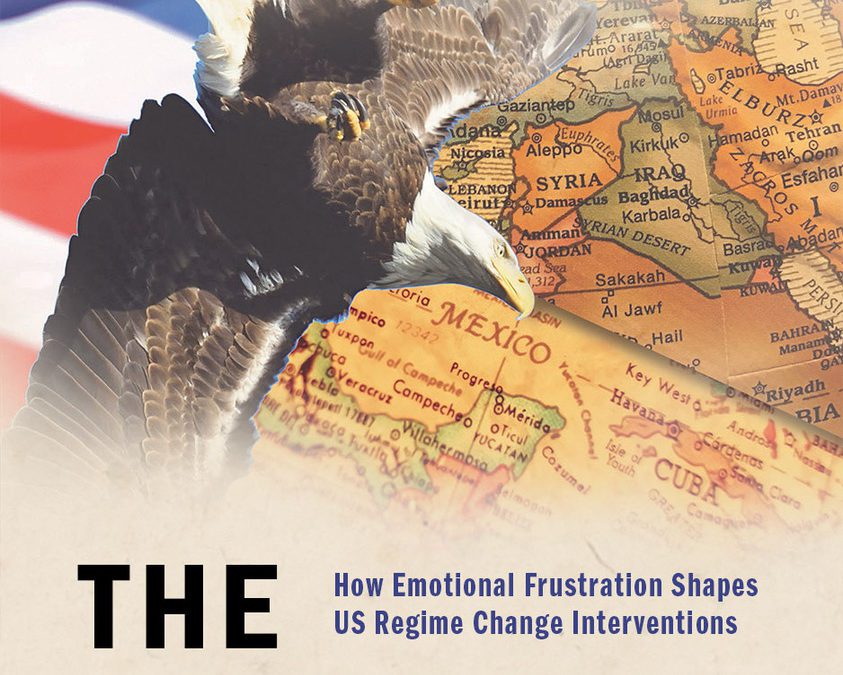
The United States has repeatedly used its military to overthrow foreign regimes – at least sixteen times from 1906 to 2011 – but these interventions seldom work out particularly well. So why does Washington continue to engage in violent regime change? The answer is that US leaders forcibly overthrow regimes to relieve emotional frustration.

You can read it here or via the menu. ...Someday we'll be a real weblog.
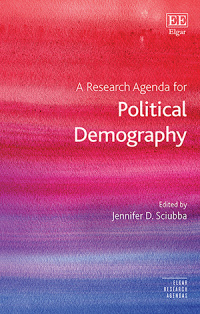
Name Of The Book… And Its Coordinates? Jennifer D. Sciubba, ed. 2021. A Research Agenda for Political Demography (Cheltenham, UK and Northampton, Massachusetts, USA: Edward Elgar) What’s the Argument? We cannot understand contemporary international relations without understanding the...

You're going to need some help. Since 2017, when I departed the Beltway in favor of (literally) greener pastures, I've been trying to figure out how to create an institutional presence for alternative (ok, progressive) voices on foreign policy. Why? Although I don't like the "Blob" epithet, there...
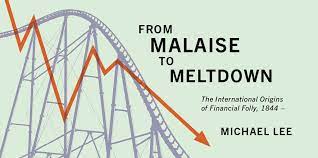
Financial hegemony brings with it substantial benefits, most notably reserve currency status. In order to successfully compete, rising powers need to lure financial institutions away from incumbent powers. They often try to make themselves more attractive to international finance by removing longstanding financial regulations.
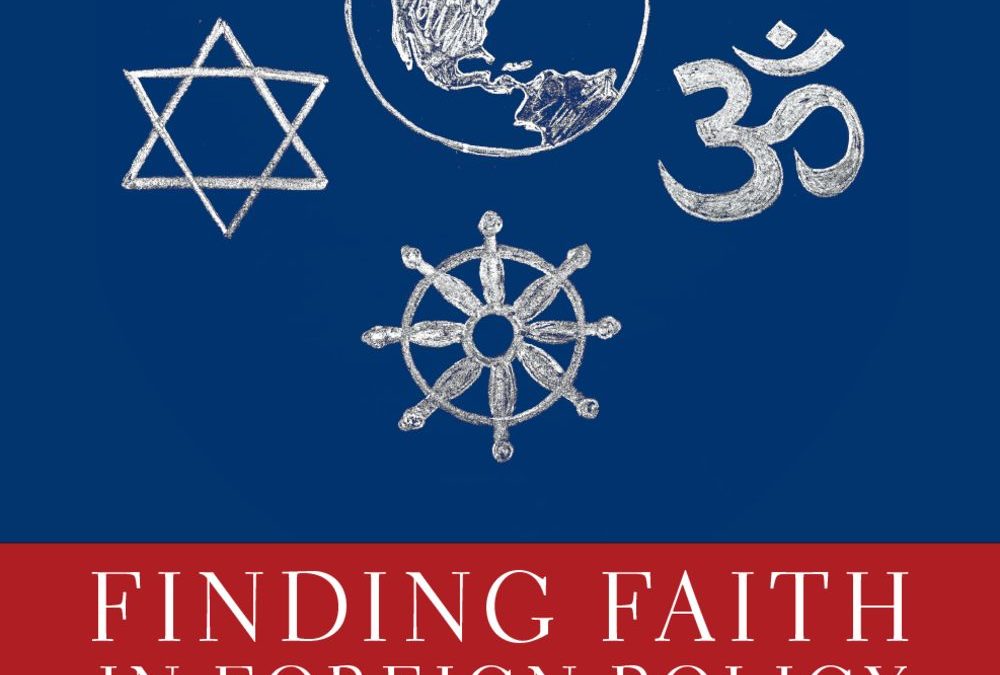
WHAT’S THE NAME OF THE BOOK? Gregorio Bettiza. 2019. Finding Faith in Foreign Policy: Religion and American Diplomacy in a Postsecular World (New York, Oxford University Press) WHAT’S THE ARGUMENT? Since the end of the Cold War, American foreign policy has increasingly “desecularized,” such...

It seems like everyone has an opinion to offer about the "lessons" that the United States needs to learn from the war Afghanistan. “Here’s what we must learn,” asserts the former NATO Commander, James Stavridis. Anthony Cordesman, one of the war’s great chroniclers, asks readers to “examine the...

There is perhaps no greater film institution than the James Bond franchise. Over 27 movies and 59 years from Doctor No (1962) to Goldfinger (1964) to the modern era of Goldeneye (1995) and Skyfall (2012), Bond is a touchstone in many people lives, although not without controversy. Bond is a threat...
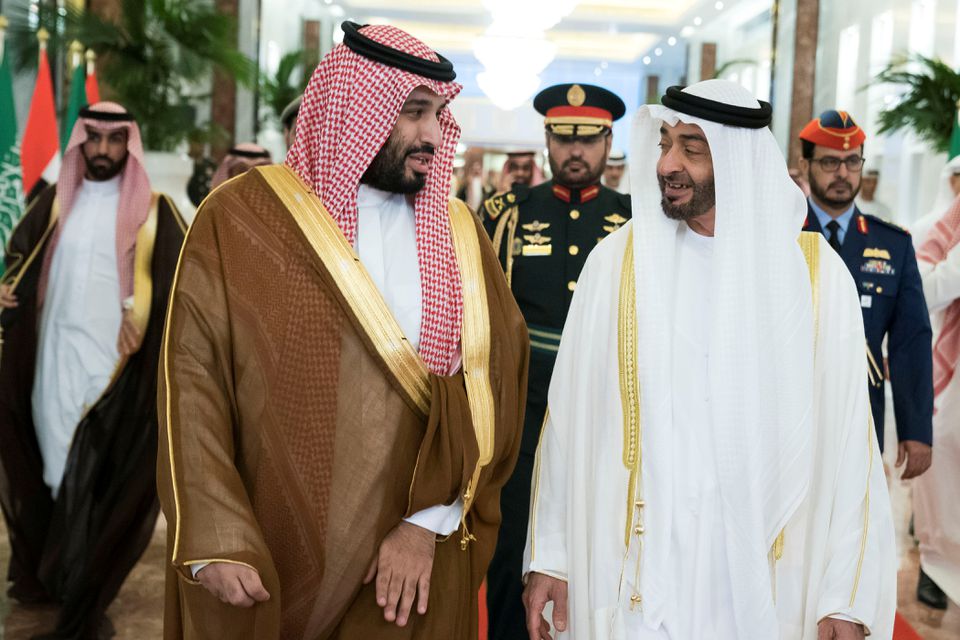
Anwar Gargash, a diplomatic advisor to the UAE, recently spoke to an international conference on the UAE's desire to smooth over tensions with Turkey and Iran. Turkey and the UAE found themselves on opposite sides of the Arab Spring, with the former supporting revolutionary movements around the...
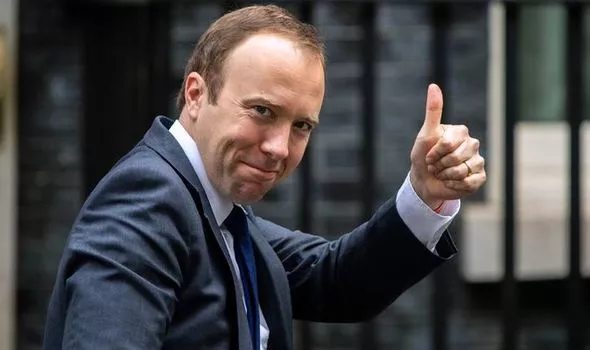
Matt Hancock, a Conservative MP and the UK’s Health Secretary during most of the Covid lockdowns, has failed upwards.