Reacting to a recent event on the study of religion, conflict and peace
Watching Scientific Progress in Action
read more
Reacting to a recent event on the study of religion, conflict and peace
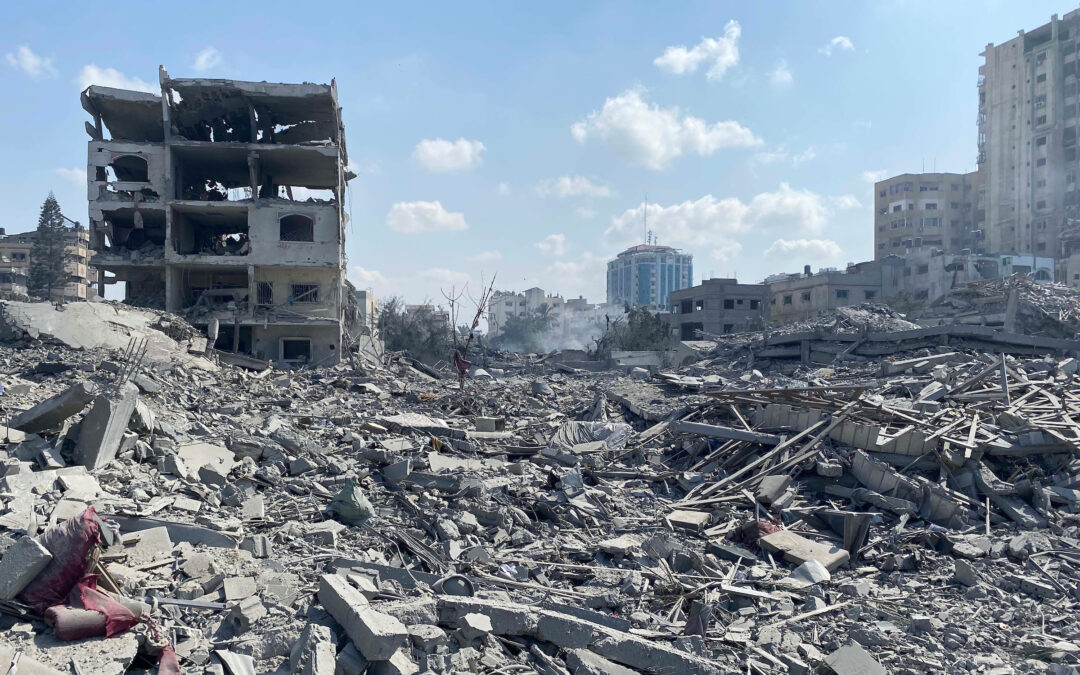
After years of calls for a ceasefire in Gaza, a ceasefire was recently announced and…those calling for the ceasefire are upset about it. There are some valid reasons to hold off on celebrating, but...
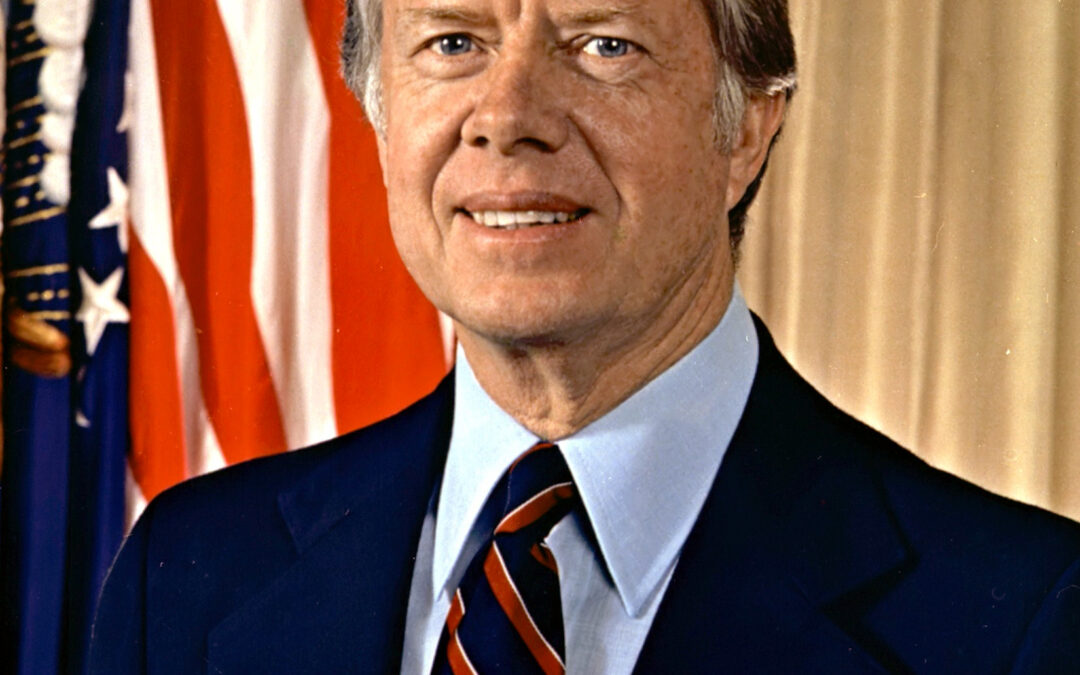
US President Jimmy Carter's funeral is being held today in Washington, DC at the National Cathedral. Since he passed away shortly after Christmas, tributes have abounded about a man once derided as...

We’re living in a world where policymakers are playing Russian roulette with our lives and calling it “stability.” We need to think differently about nukes and the risks of war. Specifically, we...

“A specter is haunting strategic studies—the specter of peace.” These bizarre words are from Richard Betts, who provocatively presented peace itself as a problem in a largely forgotten article from 1997 asking, “Should Strategic Studies Survive?” Betts answered his title question in the affirmative. As one of the most prominent scholars that strategic studies has ever produced, it’s unsurprising Betts would come to the field’s defense. It’s more surprising, though, considering that Betts has a long record warning about the limits of the use of force and expressing skepticism about...
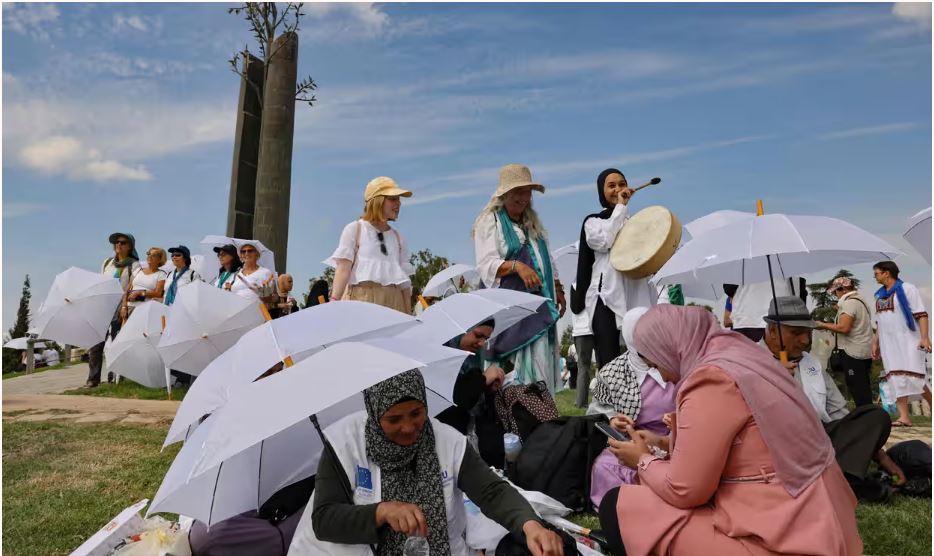
I recently submitted the below letter to Foreign Affairs in response to their latest issue's set of essays on Israel-Palestine peace. They decided not to run it, and I assume that's because of all the letters they get. However, I worry that we ignore the small-scale peace efforts that may be the best way to advance peace (or see them as problematic) so I wanted to post it here and try to make the case for them. My letter to Foreign Affairs To the editor, I commend Foreign Affairs for the set of essays in the March/April 2024 issue exploring whether and how peace is still possible...

If international relations as a field is to have a just purpose—not just justifying the power-hoarding and power-wielding of a ruling class—it needs more concepts to critique power, relate policy to peaceful ends, and surface rather than shroud the price that others pay for what our states do in the world. Most IR scholars imagine ourselves toiling on behalf of the greater good. But if the policy implications of our work rationalizes more guns and bombs, more death, more inequality, more erasure of marginalized and oppressed people, at a certain point we have to question which side of...
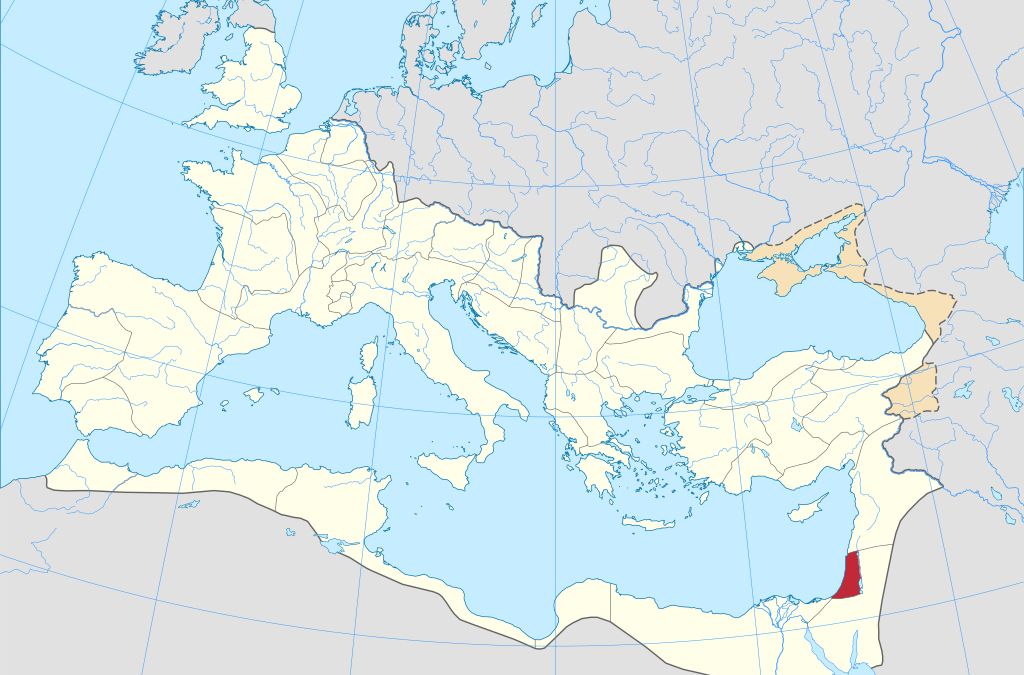
A controversy broke out the weekend before Christmas, when Fr. Edward Beck, a Roman Catholic priest, claimed Jesus was a "Palestinian Jew" while discussing the current war between Israel and Hamas. Some may dismiss this as a disingenuous conservative freak-out; for example, the article I linked to was in the New York Post and figures such as Stephen Miller and Erick Erickson were among the outraged. This would be a mistake. Fr. Beck was inaccurate, and such inaccuracies actually make it harder to build peace in the region. History and Christmas Americans are used to fights over the "true...
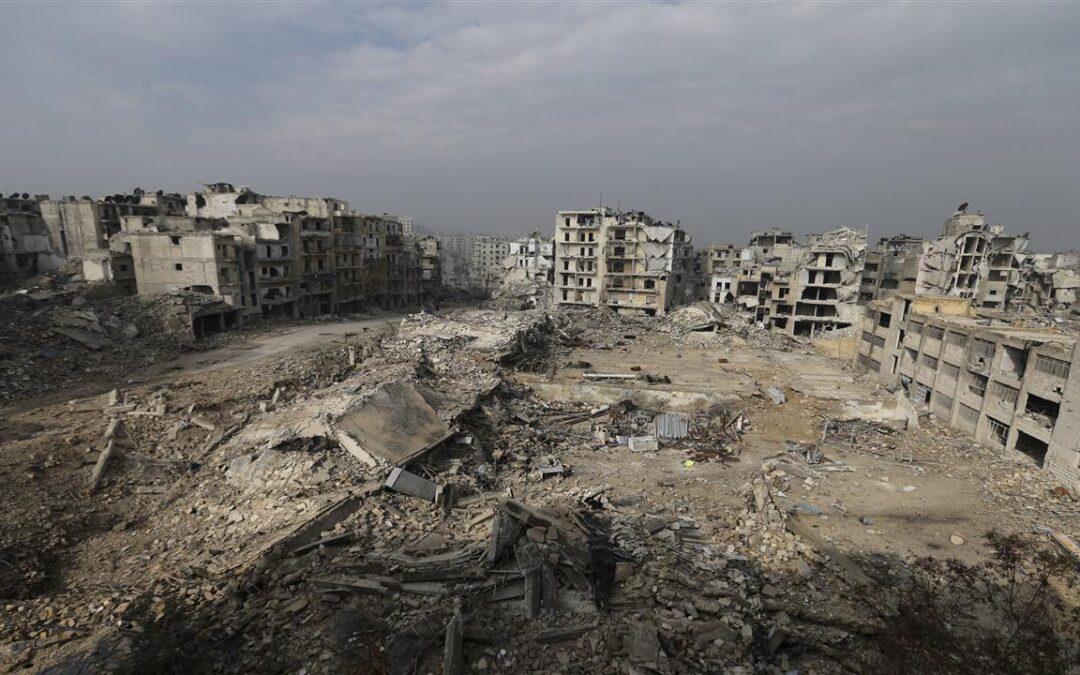
As a Turkey follower (I studied the country in grad school and wrote on it for my dissertation and first book) I've got thoughts on Turkey's elections. But as someone not interested in hot takes, I'm going to wait until the election is over to provide some analysis. Instead, I want to talk about Pope Francis' "peace talks" between Russia and Ukraine. The Pope recently announced "secret" peace talks between Ukraine and Russia, although neither side seemed to be aware of this. His efforts have progressed, however, with Ukraine President Zelensky's recent visit to Italy. I should be a fan of...
Global Trends 2030 has a virtual roundtable on the "Long Peace" and whether or not it will persist. As Allan Dafoe notes in his introduction: "we live during an era of historically unprecedented peace. Whether we look over timescales of decades or centuries, wars have become less frequent." He continues:To probe the persistence of this Long Peace, it would be helpful to know what factors have made the world more peaceful, and the extent to which these factors are likely to persist into the future. Potential causes of the peace include increases in trade, democracy, the difficulty of coercing...
The Institute for Economics and Peace is making a big splash today with the release of the 2012 edition of its annual Global Peace Index (GPI)---"the world's leading measure of global peacefulness," according to its web site. The launch event for the 2012 edition included several people whose work I respect and admire, and the Institute identifies some of the heaviest hitters in the global fight for peace and human rights---Kofi Annan, Desmond Tutu, and the Dalai Lama, for crying out loud---as "endorsers" of the GPI.I really want to like this index. I'm a numbers guy, and I've spent most of...